How Karma Works? A Comprehensive Guide to Karma

A Comprehensive Guide to Karma

Learning how Karma works fascinates seekers because it promises a just and intelligent Universe.

In Jyotish, Karma determines how the soul experiences life through the human body and mind.

In this article, Pancha Siddhi examines how karma operates and the role of Jyotish. The article integrates traditional teachings with practical guidance for a happy and successful life.

Consequently, you will gain a confident understanding of Karma so that you will be able to carve your path to success and internal happiness.

Read this article fully to understand the working of Karma and its implications on your life. The one who understands Karma, as explained in this article, also understands Jyotish and its significance.

Such individuals are more likely to get powerful benefits and growth through Jyotish.
 

how karma works in jyotish

What is Karma? Understanding Karma beyond Myth

When most people hear “Karma“, they simply think about cause and effect. In reality, it is much more intricate. In Jyotish, karma is defined as a conscious action that leaves a subtle impression on the soul.

For Example, if you compress a spring, it will certainly expand. The only difference in life is that if you do an action, it is not necessarily going to have an effect immediately. Rather, the action gets associated with the soul (learn more ahead), say the result.

When the time comes, the result gets manifested as a function of the type and intensity of action.

Now, karma includes everything you do – your breath, the blink of an eye, a wave of your hand, and even the thoughts you create. Every action, no matter how small, non-physical, verbal or non-verbal, is karma. Karma is the very state of being.

Therefore, karma includes thoughts, intentions, words and deeds that shape present and future experiences.

You cannot exist without engaging in Karma. Every force in the Universe – yourself, the flora and fauna, the Earth, the Sun, and the Moon – constantly performs Karma. Hence, karma is everything. You exist because of karma. You will die because of the karma of breath, or the prana vayu.

Now, according to the law of karma, every intentional or obvious act produces a precise result, even if it appears much later. Karma lingers until its seeds ripen into circumstances, relationships and inner tendencies.

Understanding “how karma works” through the view of Jyotish adds further clarity. In Vedic Astrology, the horoscope or the Kundli reflects which karmic seeds will sprout in the current lifetime.

Thus, a kundli becomes an elegant mirror of “What you have?” and “What should be done?” for your lifetime.

Types of Karma and how karma works across lifetimes

Jyotish and Vedic tradition describes three primary types of karma that operates together – the Sanchita, Prarabdha, and Kriyaman Karma.

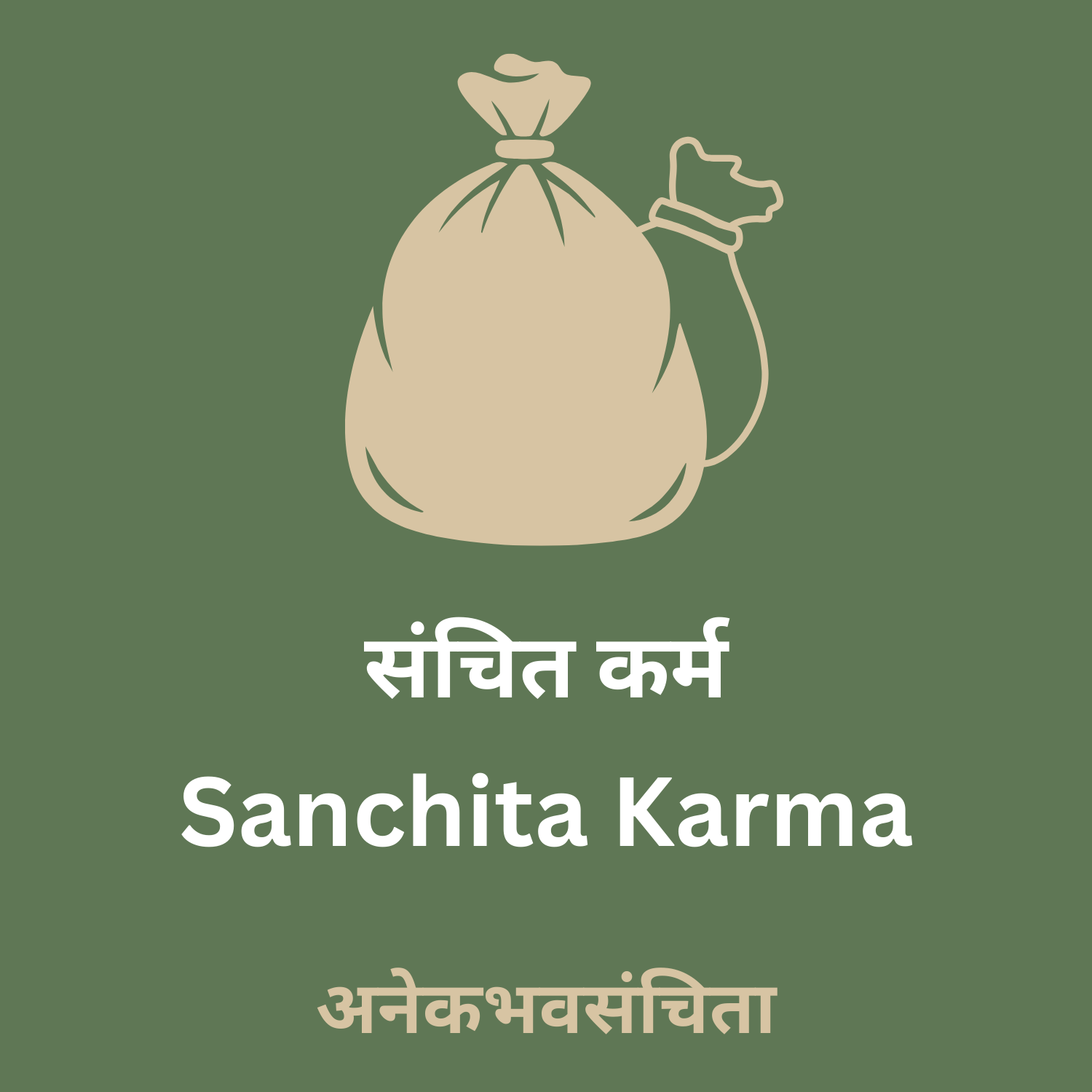
how karma works sanchita karma
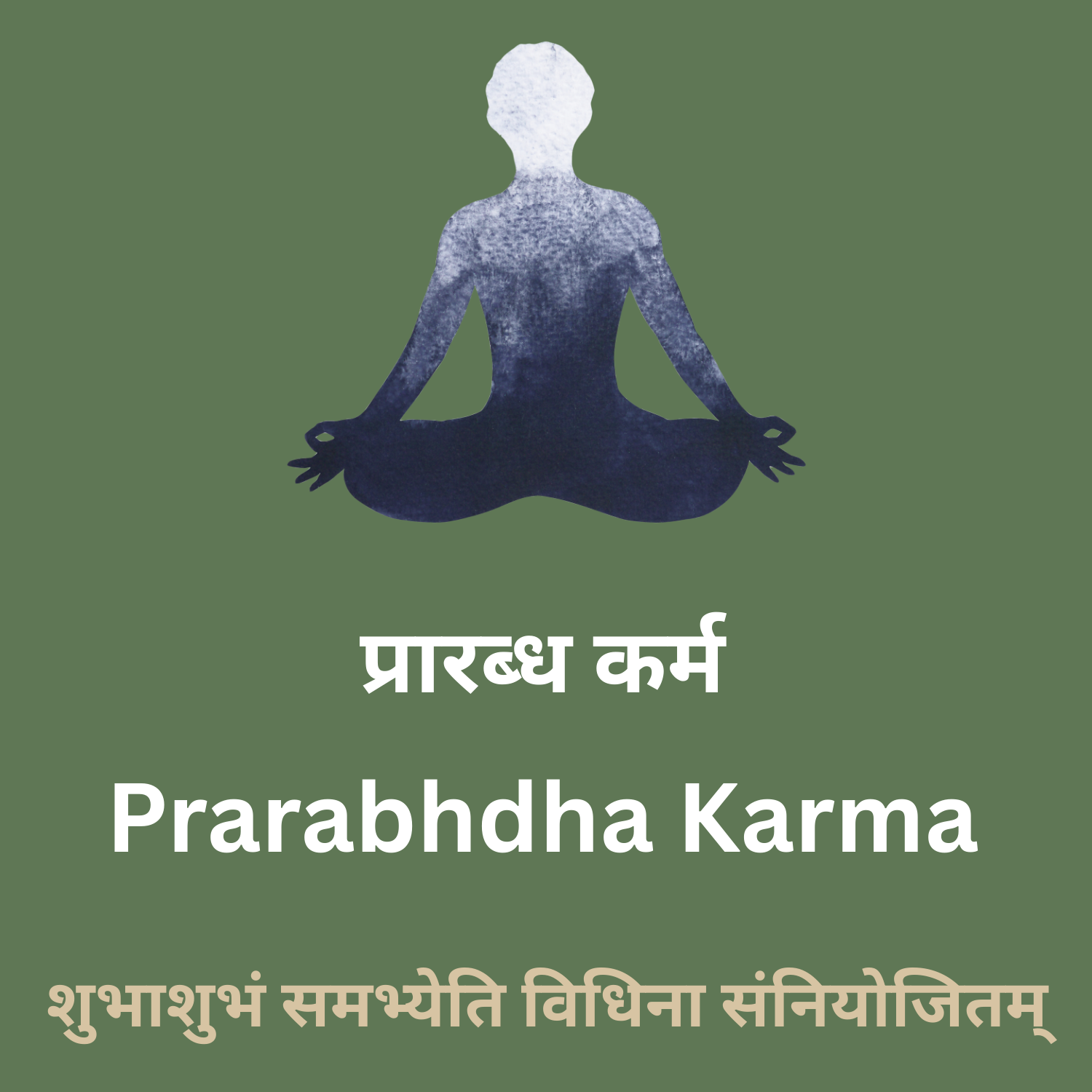
how karma works prarabdha karma
How Karma Works Kriyaman Karma

Firstly, the Sanchita karma comprises the vast store of karmic impressions from previous lives that have not fruited yet. Secondly, Prarabdha karma is the selected portion of Sanchita karma that is being fruited in this birth.

Thirdly, Kriyaman karma consists of actions you perform now, which create future results – adding to Sanchita and eventually Prarabdha.

The Prarabdha Karma shapes the foundational conditions of current birth. It decides the exact time and family of birth, which further sets all the probabilities in life. These probabilities and realized events are Prarabdha. One can never escape or change Prarabdha. Not even the Paramatma or incarnations.

One can only make a conducive environment to get strength and wisdom when different Prarabdha get realized in life. Jyotish helps in understanding these karmic patterns, therefore, to take righteous actions in the correct direction.

Here, Kriyaman Karma allows significant freedom inside the framework of life as a function of Prarabdha. The Kriyaman karma is the Free-Will or your choice of current actions. Therefore, the current actions must always be dharmasangat. One must always be conscious of it.

One who understands and accepts his or her Prarabdha will be able to make righteous (dharmasangat), conscious, and empowered decisions in life.

These decisions can be called good Kriyaman Karma. Such a person is not only called intelligent in Vedic wisdom but also blessed by Ganesh Ji. Because such a person is blessed with Sadh Buddhi and is in a state of Karma Yoga.

How Karma Works to Decide Prarabdha - Good Karma and Bad Karma

Vedic texts also distinguish between good and bad karma namely – Nitya Karma and Nishiddha Karma as guided by Dr. KN Rao.

AspectNitya KarmaNishiddha Karma
NatureObligatory, daily/regular ritesProhibited, harmful actions
PurposeSpiritual discipline, karma reductionAvoided to prevent sin (Papam)
ConsequencesPratyavaya if skippedPapam, negative rebirths
Jyotish RoleSupports remedies, nishkama actionHandling malefic yogas
 
Nitya Karma or daily obligatory duties performed in goodwill will register as good in the Sanchita Karma. This is performed in awareness, which does not bind the soul. Whereas, Nishiddha Karma means harmful actions that violate dharma, ultimately intensifying the suffering when Prarabdha is realized.
 

When actions align with dharma, difficult Prarabdha becomes a ladder to higher wisdom and evolution to good fruits.

When actions oppose dharma, even favorable Prarabdha can end in disappointment and turmoil. Therefore, Karma is Real and not cruel. It gives opportunities to everyone (every Aatma) to learn love, responsibility, clarity, moral values, and good deeds.

Pancha Siddhi Vedic Astrology specializes in showing in which aspect of life the Prarabdha is firm and where free will is powerful.

How Karma Works in Jyotish? Kundli as Karmic Blueprint

Jyotish brilliantly reveals how karma works by mapping Prarabdha at birth. Your Kundli shows which karmic seeds from the Sanchita Karma have been chosen to sprout in this lifetime.

By the order of Paramatma, your soul will realize a physical birth at the exact time of birth. Birth is the exact moment when a baby gets out of the mother’s womb and attains Prana Vayu – starts to cry. It is this instantaneous time when the nine planets and 27 nakshatra are in certain positions in the sky.

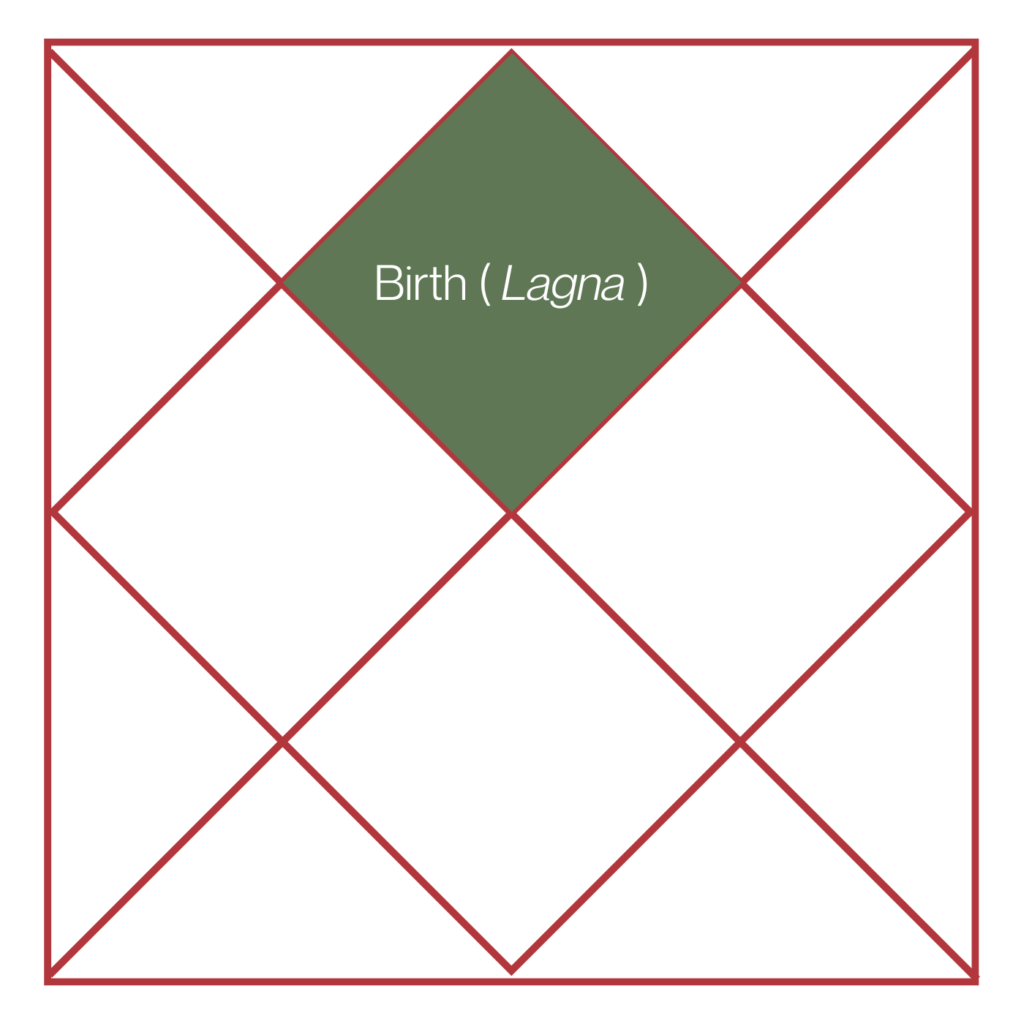
When we project this three dimensional (3D) arrangement of planets on 2D paper, we get a kundli chart as shown below.

What is Vedic Astrology Kundli

The Lagna (Ascendant) reflects your physical incarnation, body type, temperament and basic life directions.

Similarly, where all the planets are resting and