
Jyotish is the ancient Vedic science of time and planetary wisdom that reveals your prarabdha karma and the life path. Therefore, an individual experiences clarity, confidence, and inner happiness. Additionally, practical Vedic remedies harmonise every dimension of human life – career, relationships, health, and spiritual growth.
This comprehensive Vedic Astrology encyclopedia covers every branch of Jyotish: planets (Grahas), houses (Bhavas), zodiac signs (Rashis), nakshatras, dashas, and yogas – each revealing the cosmic rhythm that shapes your life. Explore now to learn leadership through Vedic Astrology.
What is Jyotish?
Jyotish Shastra, or Vedic Astrology, is the precise astronomical science that studies time and planetary positions to reveal karmic patterns, life tendencies, and higher purpose.
The word originates directly from Sanskrit:
ज्योतिष = ज्योतिस् (light) + अच् (possessive affix)
Meaning: a study associated with light, revealing how planets, nakshatras, and celestial bodies illuminate and influence life on Earth.
Jyotish interprets the position of planets, their associated strengths, and nakshatras as observed from Earth at a precise moment in time.
Kundli, the Vedic birth chart, or horoscope, is a two-dimensional map of exact planetary alignments across the twelve zodiac signs and houses. Astrologers draw this precise schematic map representing twelve distinct sections of the sky, each known as a Bhava or house.
Through Kundli analysis, astrologers interpret the varying tendencies, karmic patterns, and life outcomes arising from these celestial influences, empowering you with clarity and direction.
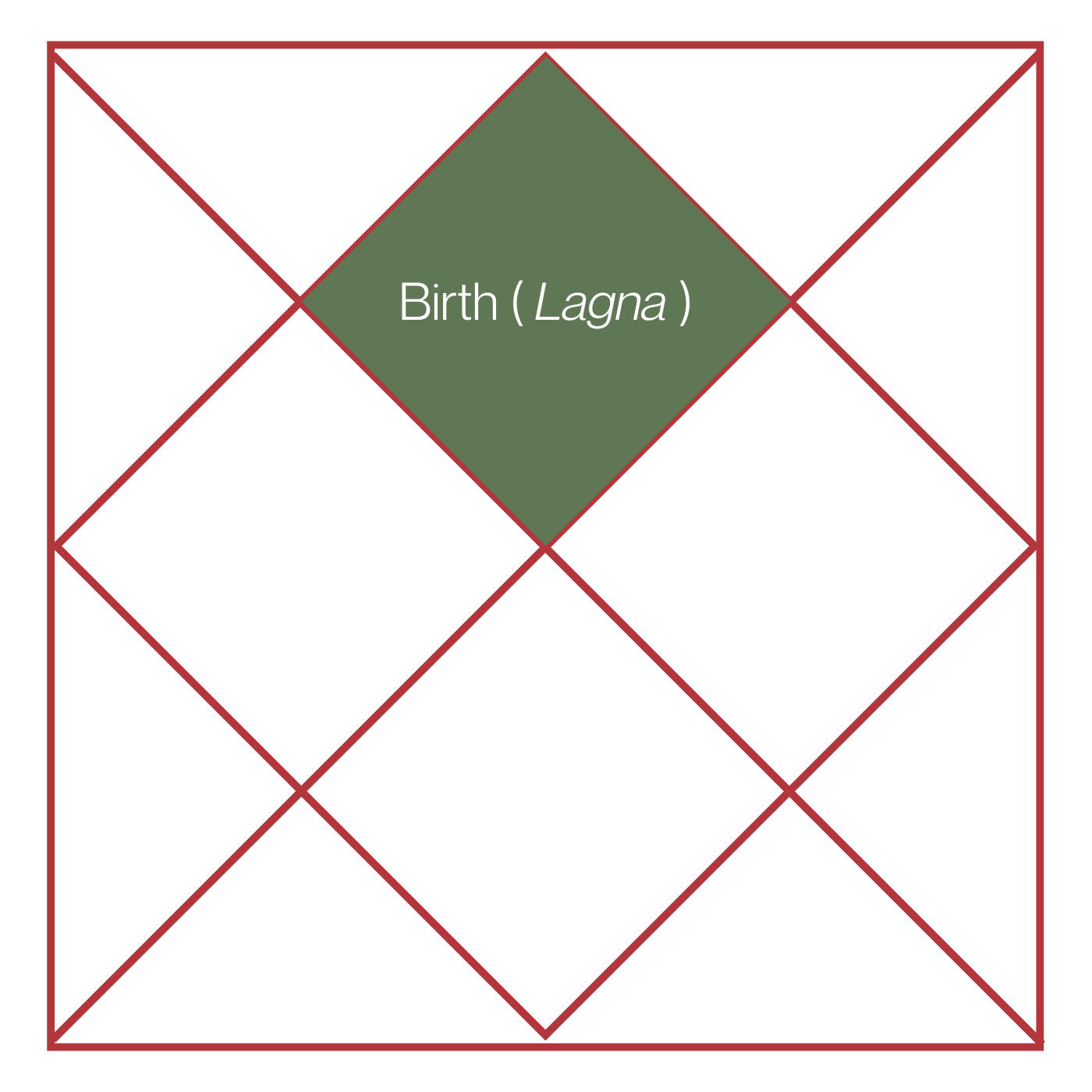
How Jyotish actually works?
Jyotish is built on four fundamental pillars within every horoscope or Kundli:
- 9 Planets – the Navagraha
- 12 Houses – the Bhavas
- 12 Zodiac Signs – the Rashis
- 27 Nakshatras – the Constellations
These four pillars create an astronomical number of unique arrangements and interconnections within a Kundli, each combination carrying distinct karmic meaning and life influence. Therefore, an experienced astrologer interprets these arrangements through fine sense, deep experience, intuition, and acquired Siddhis – making Jyotish both a precise science and a refined sadhana-based skill.
One of the most profound aspects of Kundli analysis is its relationship with the subconscious mind, or Chitta. In Jyotish, your Chitta is considered the prime driver of your life, shaping your thought patterns, decisions, and karmic trajectory.
This is why Vedic Astrology can be understood as an advanced form of Vedic human psychology – one that decodes your mind, reveals karmic patterns, and guides you toward success through righteous, dharmasangat hard work and aligned action.
Planets in Jyotish - Navagraha
In Vedic Astrology, nine celestial bodies, the Navagraha, are the prime karmic influencers in every Kundli. Each Graha carries distinct qualities, energies, and karmic tendencies that shape every dimension of your life, from personality and career to relationships and spiritual destiny.
Astrologers analyse these planets based on their instantaneous alignment at your exact place and time of birth — including their strength, aspects (Drishtis), conjunctions, Rashis, Nakshatras, and the specific Yogas they form together.
Explore each of the 9 Grahas below — and discover how their cosmic influence shapes your karmic blueprint, your life in general.
| Sun | Moon | Mars | Mercury | Jupiter | Venus |
| Saturn | Rahu | Ketu |