Navaratri Significance is far more than cultural celebration – it is a profound alignment of cosmic energies, planetary vibrations, and the divine feminine force. For nine nights, the spiritual seeker has an unparalleled chance to tune inner life with universal rhythm, therefore balance karma and awaken hidden potential.
From the lens of Vedic astrology, Navaratri becomes a sacred gateway – a time when planetary remedies, devotion, and intention yield magnified results.
At Pancha Siddhi, we honor Navaratri as both a spiritual powerhouse and an astrological phenomenon that leads to karma alignment, holistic health, and self-mastery.
Significance of Navaratri in Vedic Astrology
Navaratri coincides with the waxing Moon (Shukla Paksha), symbolizing steady growth of light and consciousness. In Jyotish, the Moon governs mind and emotions; as its light increases, our receptivity to divine guidance expands. Therefore prayers, mantras, and remedies performed now are said to carry multiplied power.
Navaratri thus becomes a sacred window where human effort aligns seamlessly with cosmic flow.
Adishakti is the driving force of this universe and beyond. She is everything, every movement in this known matter, anti-matter, and even the light.
During Navaratri, you can consciously identify the form of Devi whose energy resonates with your present life challenge and observe a fast on that specific day. This sacred practice not only invokes her blessings but ultimately reinforces your mind toward healing, clarity, and overall betterment.
The Divine Nine Nights of Navaratri
Each day of Navaratri celebrates a form of the Goddess – Navadurga, the nine cosmic archetypes of Shakti.
Shailaputri
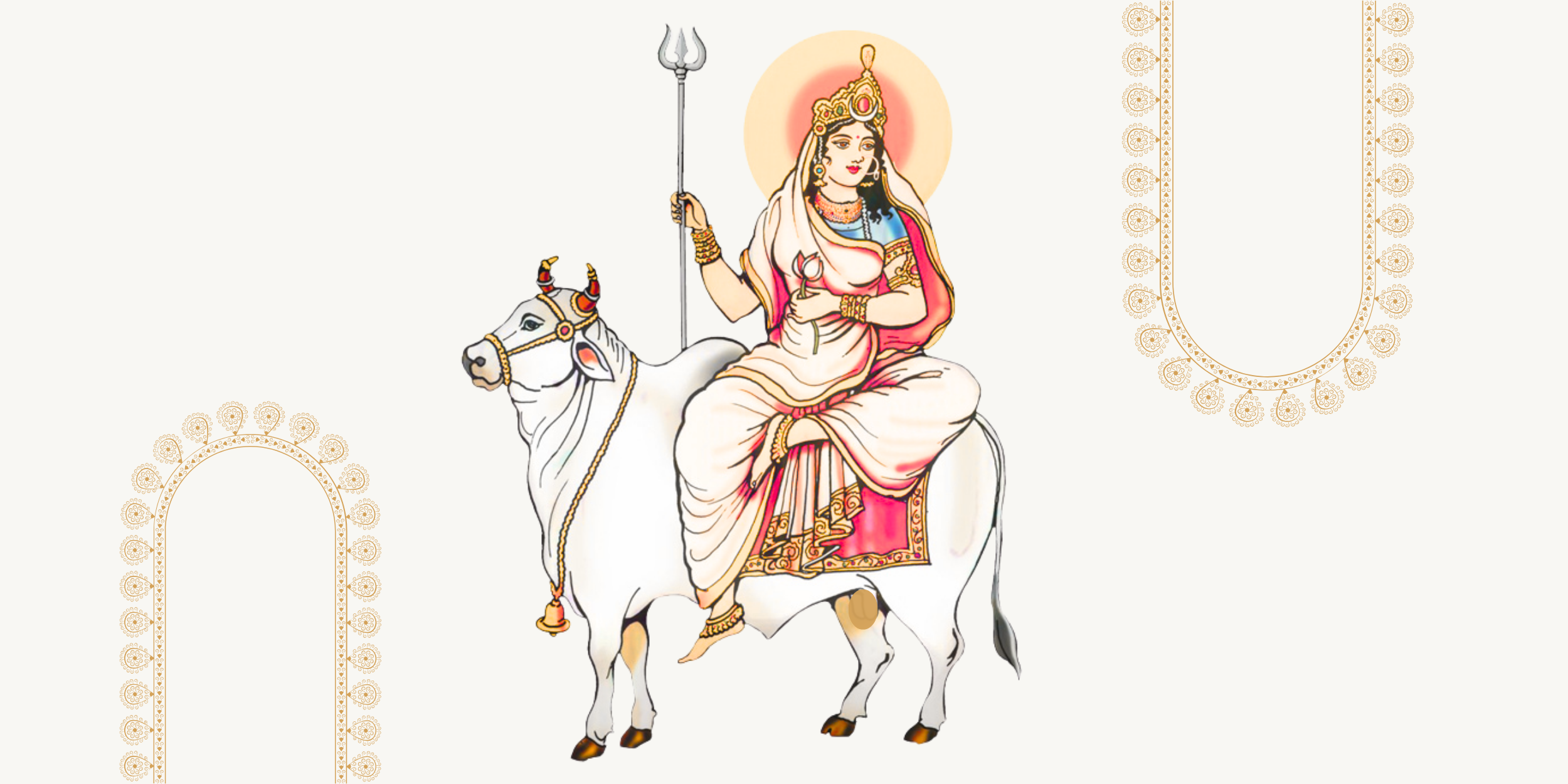
Shaila means mountain – she is the daughter of the mountains, precisely Raja Himavan, a personification of Himalayan Range. She is often depicted holding trishula in one hand and a lotus in the other, riding Nandi.
In one’s path, Shailaputri awakens the foundational strength needed to face forthcoming spiritual work.
Shailaputri’s energy helps ground scattered mind, restore balance after turmoil, and build resilience before deeper transformation.
Brahmacharini
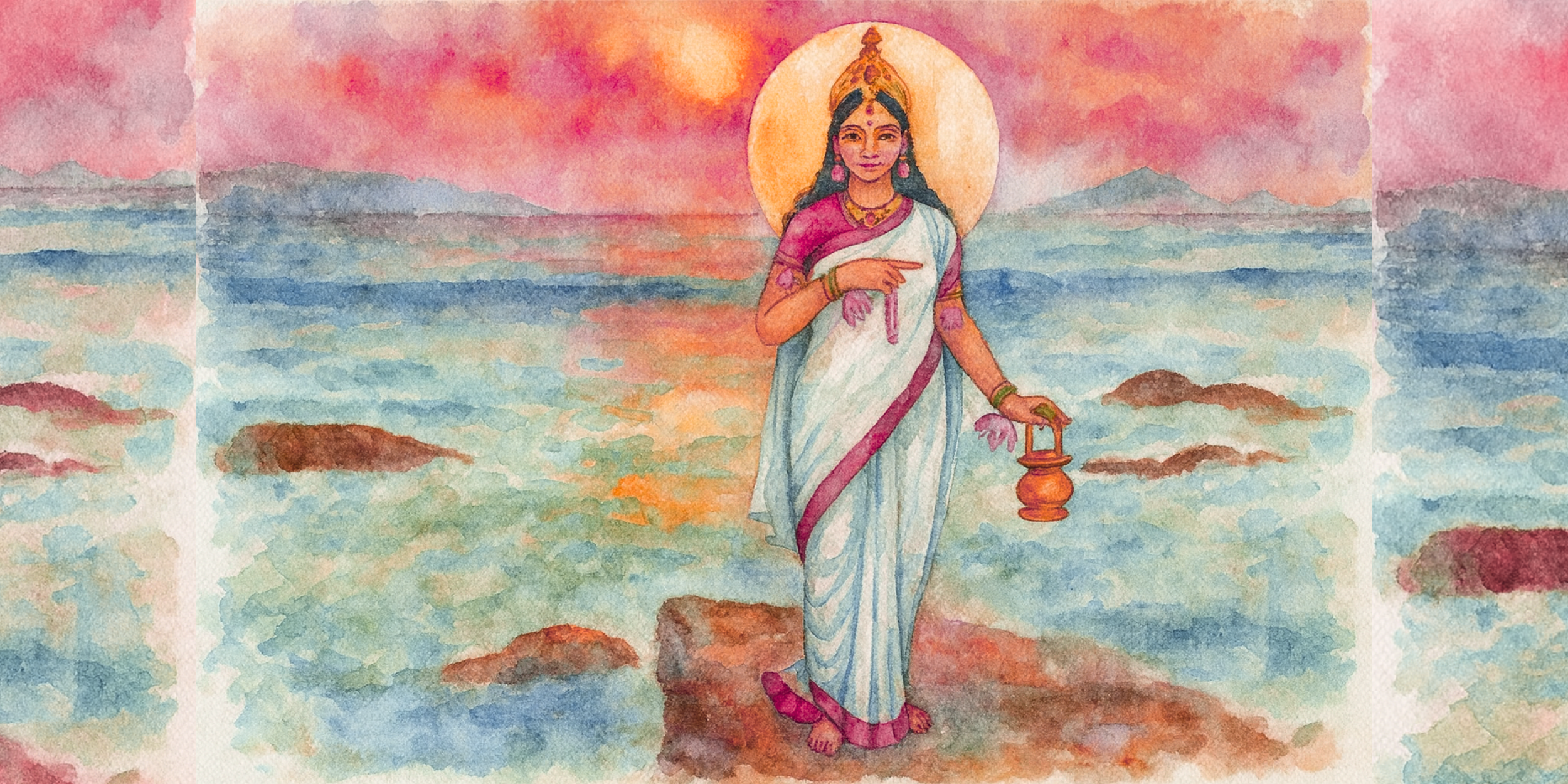
The name Brahmacharini refers to one who practices Brahmacharya -the ideal life of discipline, austerity, and devotion. She is depicted carrying a japa mala in one hand and water kamandala in the other, walking barefoot.
Brahmacharini embodies self-discipline, perseverance, and inner purity. Her lesson: success in spiritual or worldly life is rarely sudden – it demands constant effort, steady resolve, and sustained surrender.
This is how Mata Adishakti in her Parvati form achieved the ishvarattva to marry Lord Shiva.
Brahmacharini gives the power to resist distractions, maintain focus on goals, and cultivate righteous habits. From a Jyotish lens, this energy helps strengthen willpower and steadiness during transit or remedial periods.
Chandraghanta
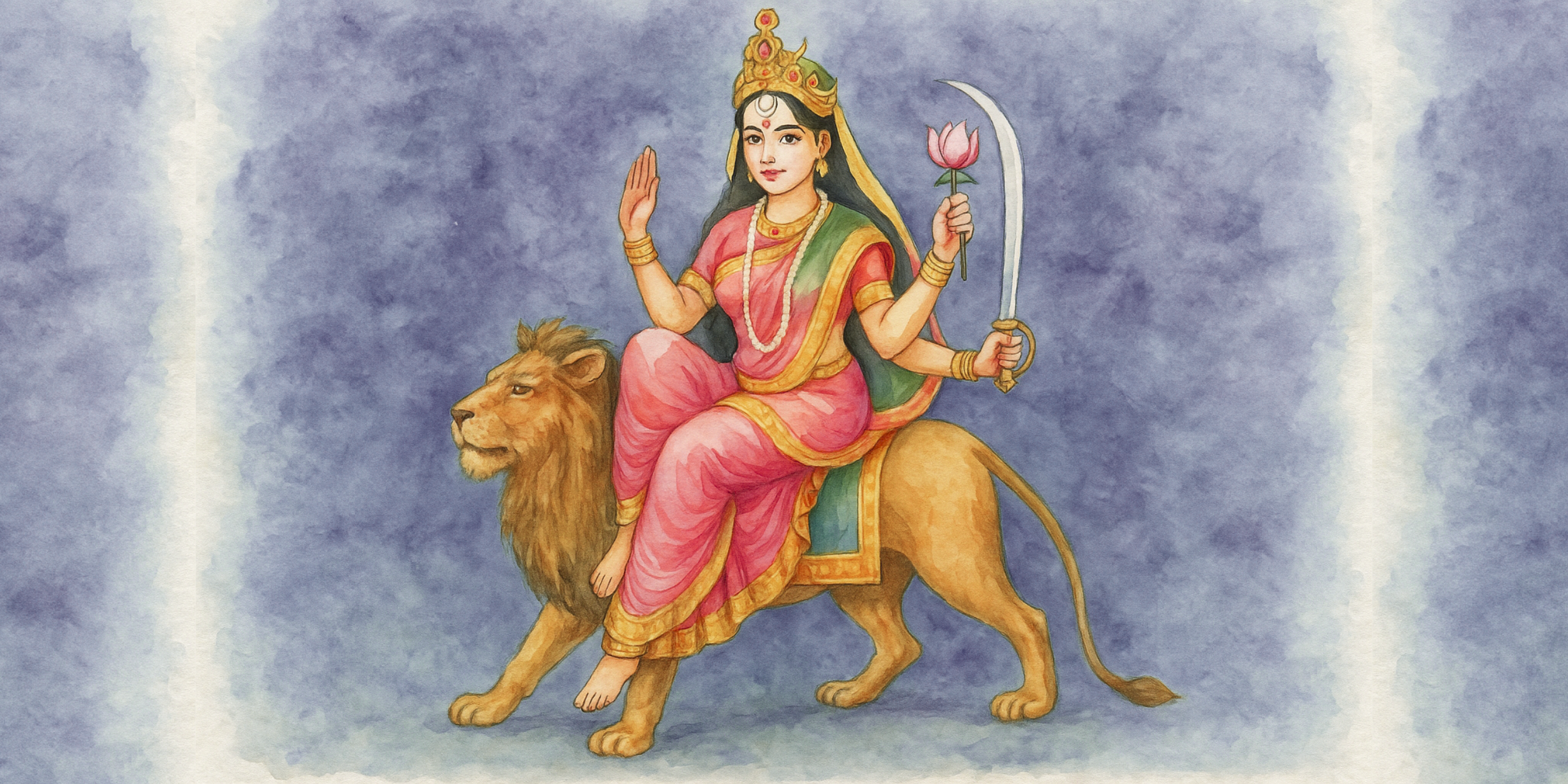
Chandra means Moon, Ghanta means bell. She wears a moon-shaped crescent and her posture resembles a bell’s curve. She is adorned with weapons and is often shown riding a fierce animal.
Chandraghanta represents courage married with calmness. Her energy helps one face fears, tensions, and emotional stress with composure. She teaches us that strength need not be harsh – one can be fierce when necessary, gentle always.
Chandraghanta assists in balancing emotional turbulence, gaining confidence, and releasing fear-layers to act from clarity rather than reactivity (non-impulsiveness).
Kushmanda
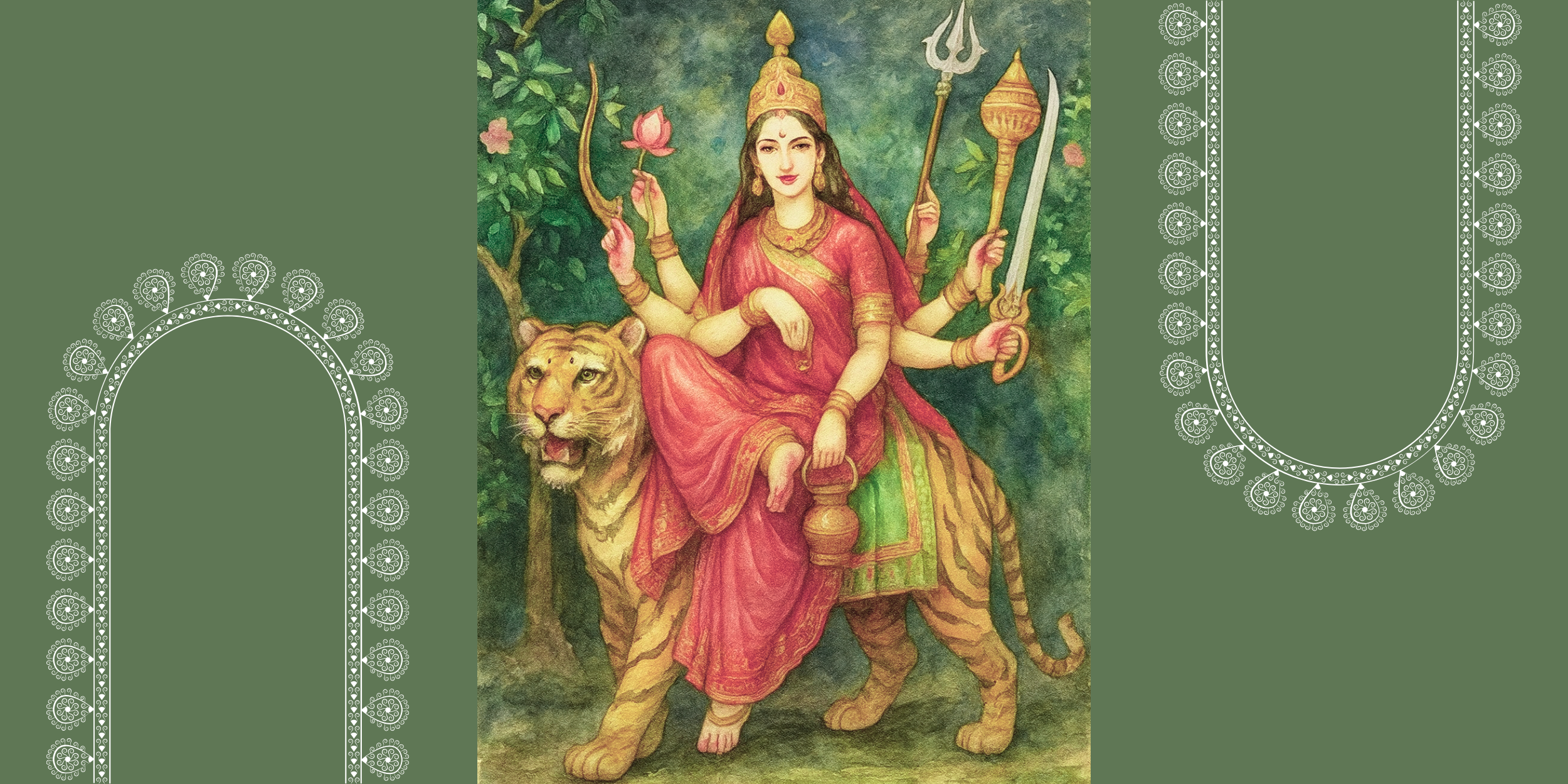
Kushmanda is understood as the cosmic egg or the generator of universal energy. She is depicted with eight hands, holding weapons, a rosary, jars of nectar, and seated on a lion.
She is the creative spark – the source of energy behind all manifest existence. Her energy inspires creativity, life-force, initiative, and the latent power to manifest.
Kushmanda’s energy is especially useful when one feels stuck or wishes to begin a new project or spiritual path.
Skandamata
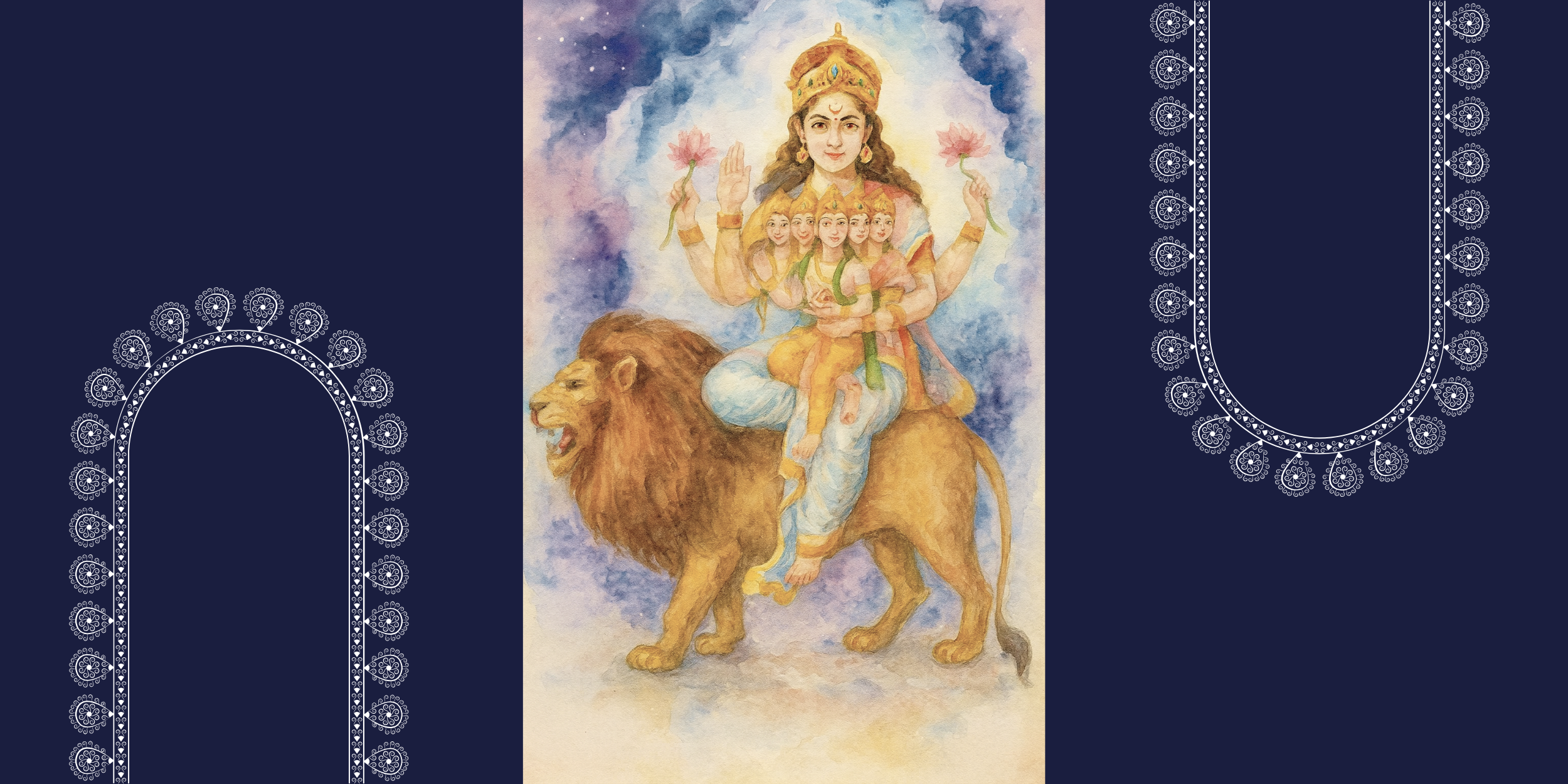
Skanda or Kartikeya is her son. She is shown holding her son Skanda in her lap, often riding a lion, and flanked by lotuses.
Skandamata emphasizes nurturing strength. She teaches that protection, care, and compassion are not weaknesses – they are forces that sustain and uplift.
Her motherhood energy supports those recovering from emotional or karmic wounds. She strengthens bonds, nurturing capacities, and emotional harmony.
Katyayani
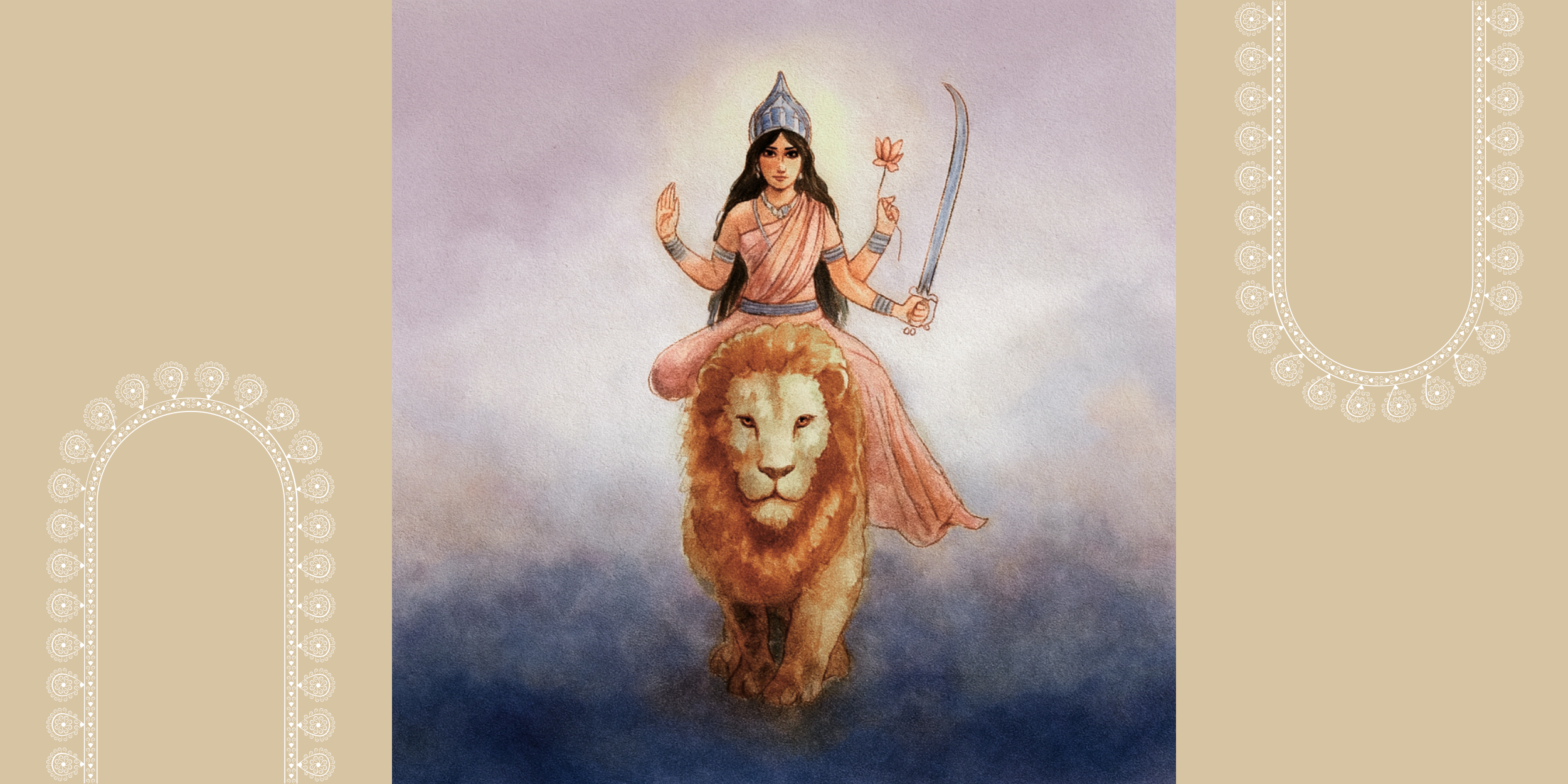
Named after the sage Katyayana, this form is a fierce warrior goddess. She is depicted with weapons – sword, shield, lotus, trident, riding a lion.
Katyayani embodies courage, righteous action, and protection. Her lesson is: when injustice, fear, or inner oppression arises, one must rise decisively. She is the goddess of the warrior’s heart.
Her energy supports action where one has been passive, inspiring courage to break patterns and assert higher will.
Kalratri
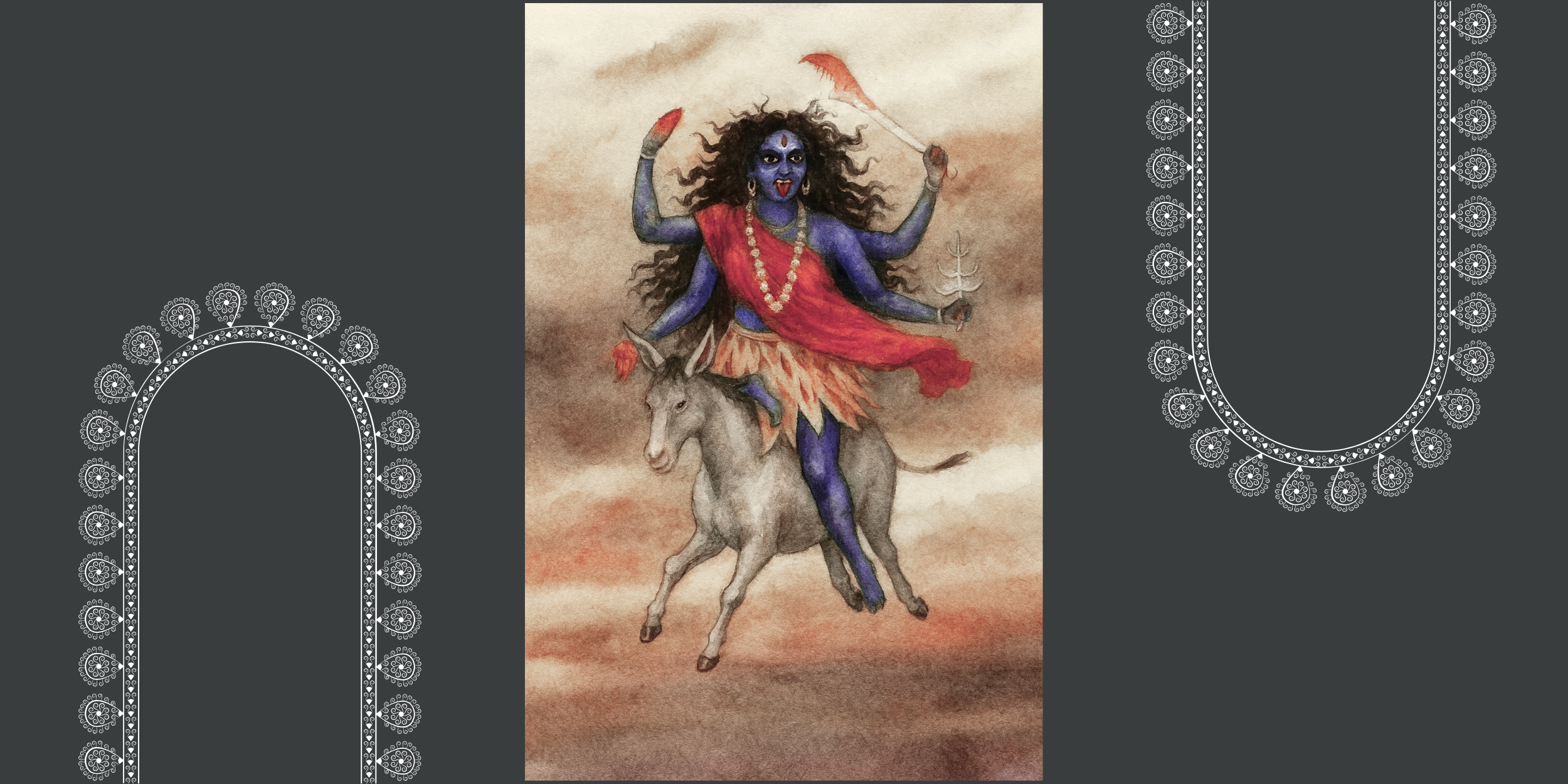
Kala means time or death; Ratri means night. Kalaratri is the dark, fierce form – sometimes depicted with disheveled hair, fierce eyes, holding a scimitar, riding a donkey.
Kalaratri symbolizes destruction, dissolution, and fearlessness before the unknown. She helps one confront shadows, release deep karmic blockages, and transcend illusions.
Mahagauri
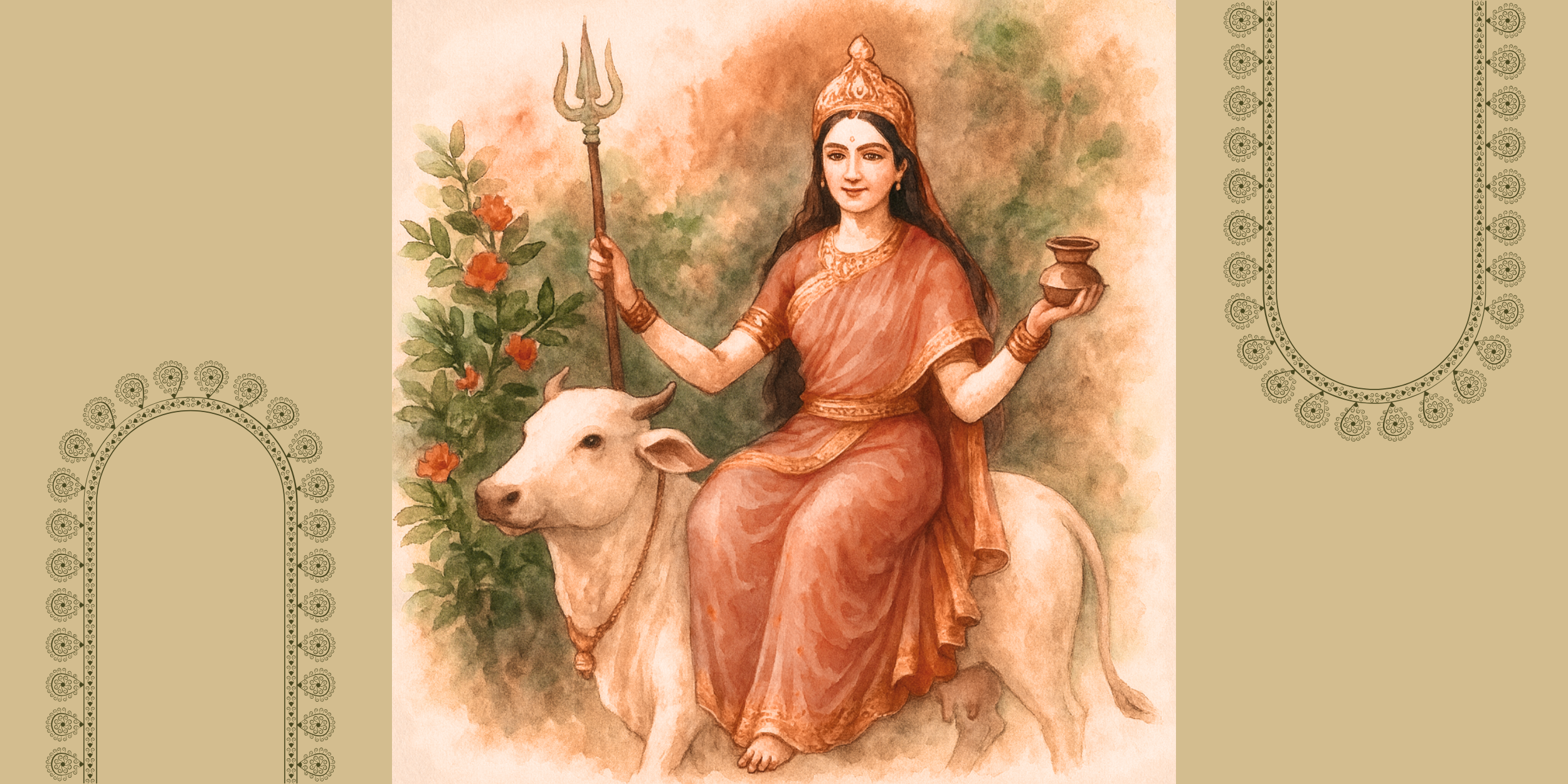
Maha means great, Gauri means white, pure, fair. She is serene, dressed in white, often holding a trident, a lotus, or hand in blessing posture.
Mahagauri brings purity, mental clarity, and serenity. After the fierce purifications of earlier forms, she soothes and calms. She teaches that after destruction comes peace and clarity on 8th day of Durgashtami.
In one’s inner journey, invoking Mahagauri restores balance, refines mind and heart, and supports meditative states. In Jyotish, her energy is ideal when one needs mental clarity, healing from over-strain, or recovery after turmoil.
Siddhidhatri
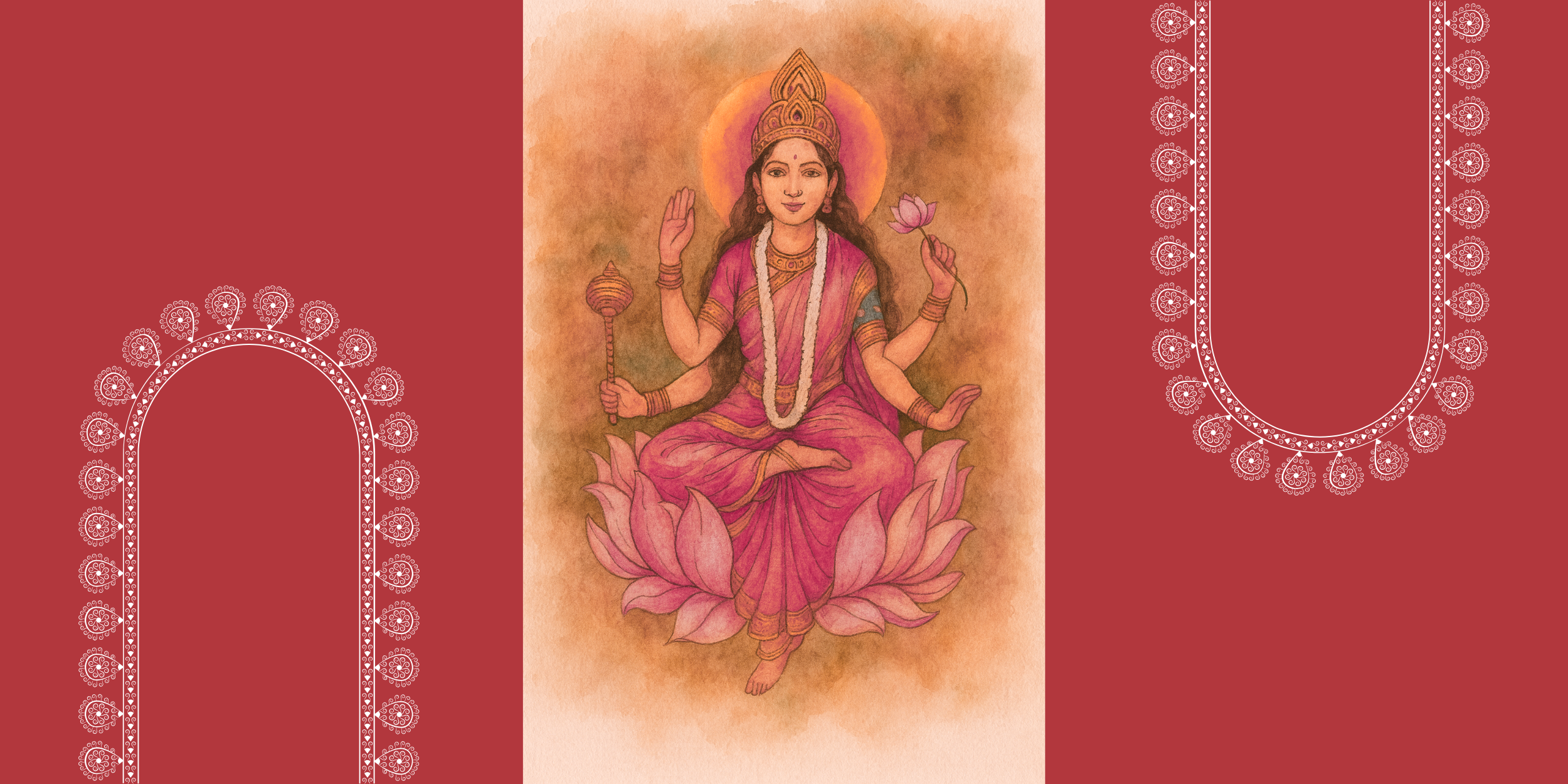
Siddhi means spiritual powers or attainments; Dhatri means giver. She bestows siddhis – spiritual perfections and blessings. She is shown seated on a lotus, holding attributes such as discus, conch, mace, lotus.
Siddhidhatri represents fulfillment, mastery, and divine grace. She teaches that the culmination of devotion, discipline, and transformation is divine reward – not in ego, but in wisdom, service, and higher insight.
In a spiritual or remedial journey, Siddhidhatri’s energy manifests one’s deeper purpose, unlocks higher blessings, and seals the devotee’s transformation.
Navaratri and Pancha Siddhi’s Approach
At Pancha Siddhi, we guide seekers to harness Navaratri for:
Astrological Remedies: Chart-based practices aligned with Navadurga.
Karma Strategy: Intent-setting sessions to channel cosmic momentum into career, relationships, or health.
Spiritual Guidance: Mantra, meditation, and ritual mentorship rooted in Jyotish wisdom.
This is why Navaratri is the perfect time for an astrology consultation – the energy you invoke now multiplies manifold.
Navaratri Significance – Conclusion
Navaratri is a festival of illumination, transformation, and divine alignment through the worship of Shakti. From the lens of Vedic astrology, it is a sacred nine-night accelerator where planetary forces, lunar growth, and goddess energy combine to empower human intention.
May this Navaratri awaken clarity, courage, and fulfillment within you.
And if you seek to harness this cosmic window more deeply, explore Pancha Siddhi Astrology consultation here.