
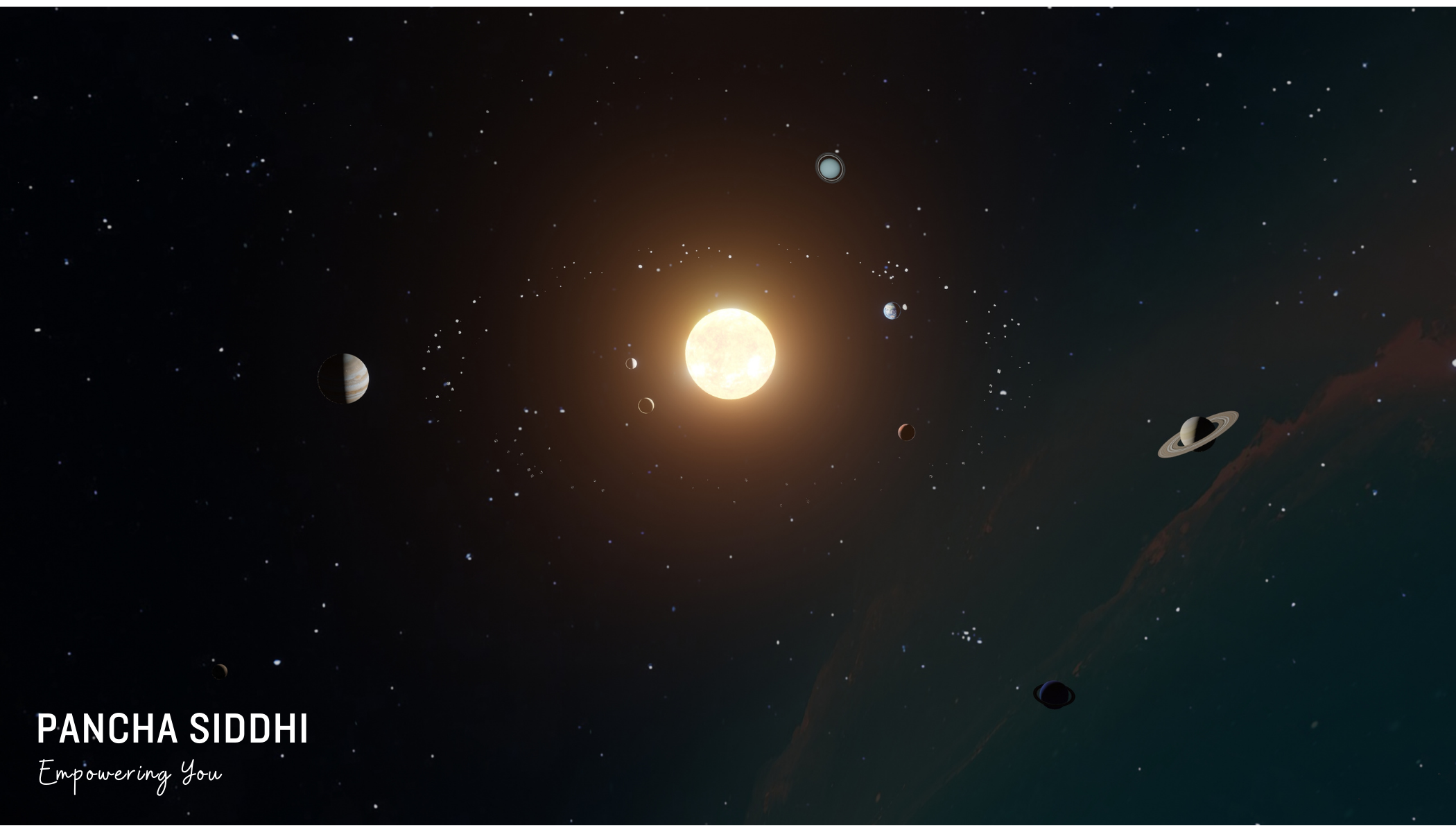

Planets in Vedic Astrology: The 9 Grahas Explained

The sky above you is not silent. It moves, it speaks, and it shapes every life below. The planets in Vedic astrology or Jyotish are not distant rocks. Instead, they are living forces, the nine Grahas that govern mind, body, and karma. This is because we are made of same cosmic dust, the brahma tattva.

Furthermore, each planet carries a precise characteristic. Hence, this expert guide hands you a clear, trustworthy map of all nine Grahas or planets. Moreover, it opens a guide to study each planet in real depth. Therefore, if you want to learn about authentic Jyotish, begin here.

The Solar System Planets in Vedic Astrology

What are planets in Vedic astrology?

A planet, to an astronomer, is a celestial body of rock and gas orbiting a star. Apparently, a Graha, in Jyotish, is something far greater. The Sanskrit word Graha (ग्रह) means Stithi or a condition that seizes, grasps, or influences.

Therefore, a Graha is not merely a planet. It is a conscious karmic force that takes hold of your life. Here lies the revelation: the Grahas do not cause your fate, they reveal it. Therefore, they act as cosmic timekeepers, releasing the karma you already carry. Consequently, your chart becomes a mirror, to accept and align with the right karma.

Moreover, Western astrology counts planets; Jyotish reads Grahas. That is the difference between watching the sky and truly listening to it.

The Nine Grahas - Navagraha at a Glance

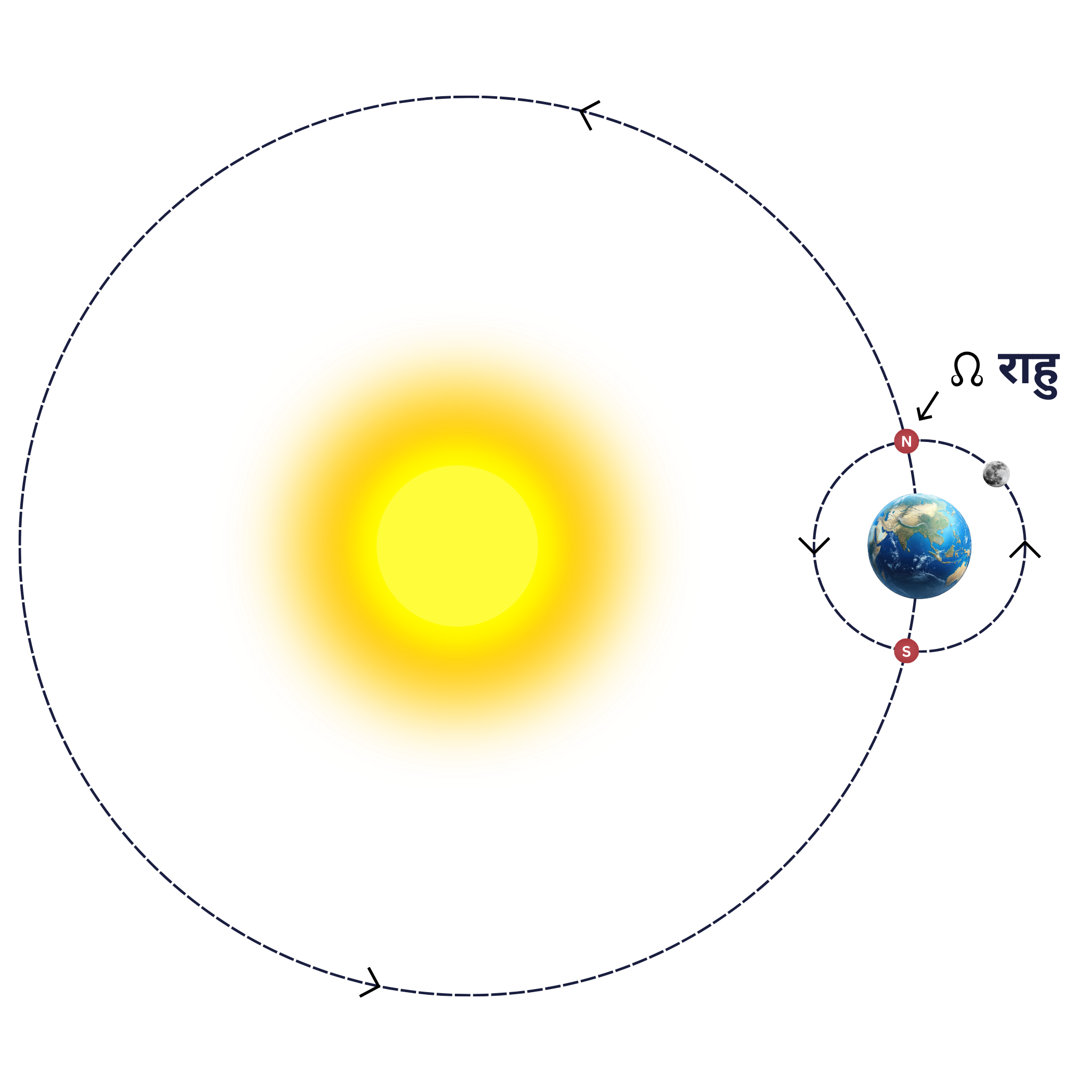
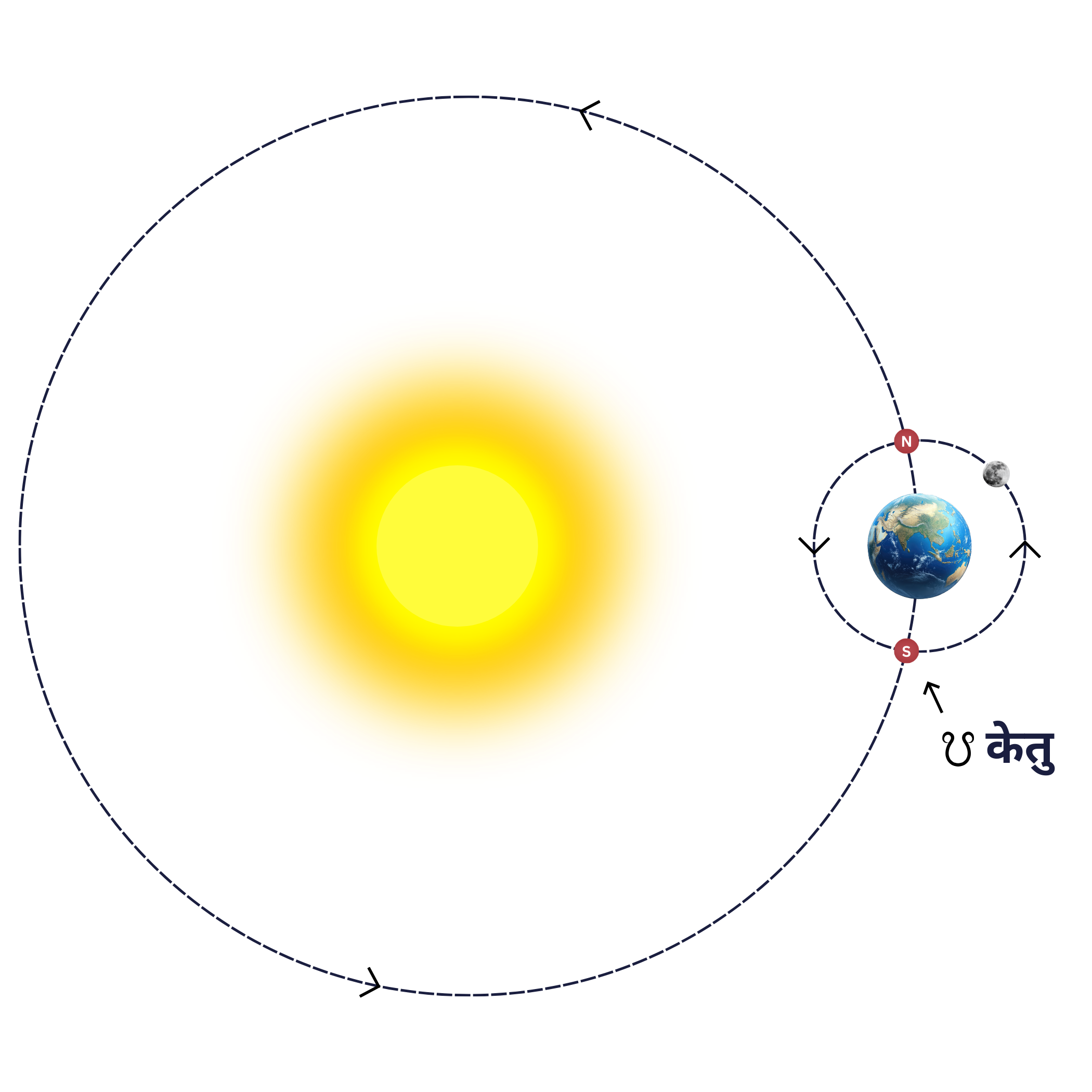
In Vedic astrology, we recognize these planets as the Navagraha. Seven are the celestial bodies you can see in the sky. Two, Rahu and Ketu, are shadow nodal points where the Moon’s path around Earth crosses the Earth’s path around the Sun.

Furthermore, these nine form the karmic framework of every kundli. Each one rules a sign and occupy houses. Therefore, learning about them enables you to understand your karma. Below, meet each Graha at a glance.

Sun Surya Graha symbol planets in Vedic astrology

Sun - Surya Dev (The Soul)

  • Signification: Governs identity, vitality, ego, and the eternal self within you.
  • Career: leadership, government, authority, and positions of command.
  • Ayurveda: Sun is the Pitta: digestion, heat, and metabolism
Explore the Sun in depth
Moon Chandra Graha symbol Planets in Vedic astrology

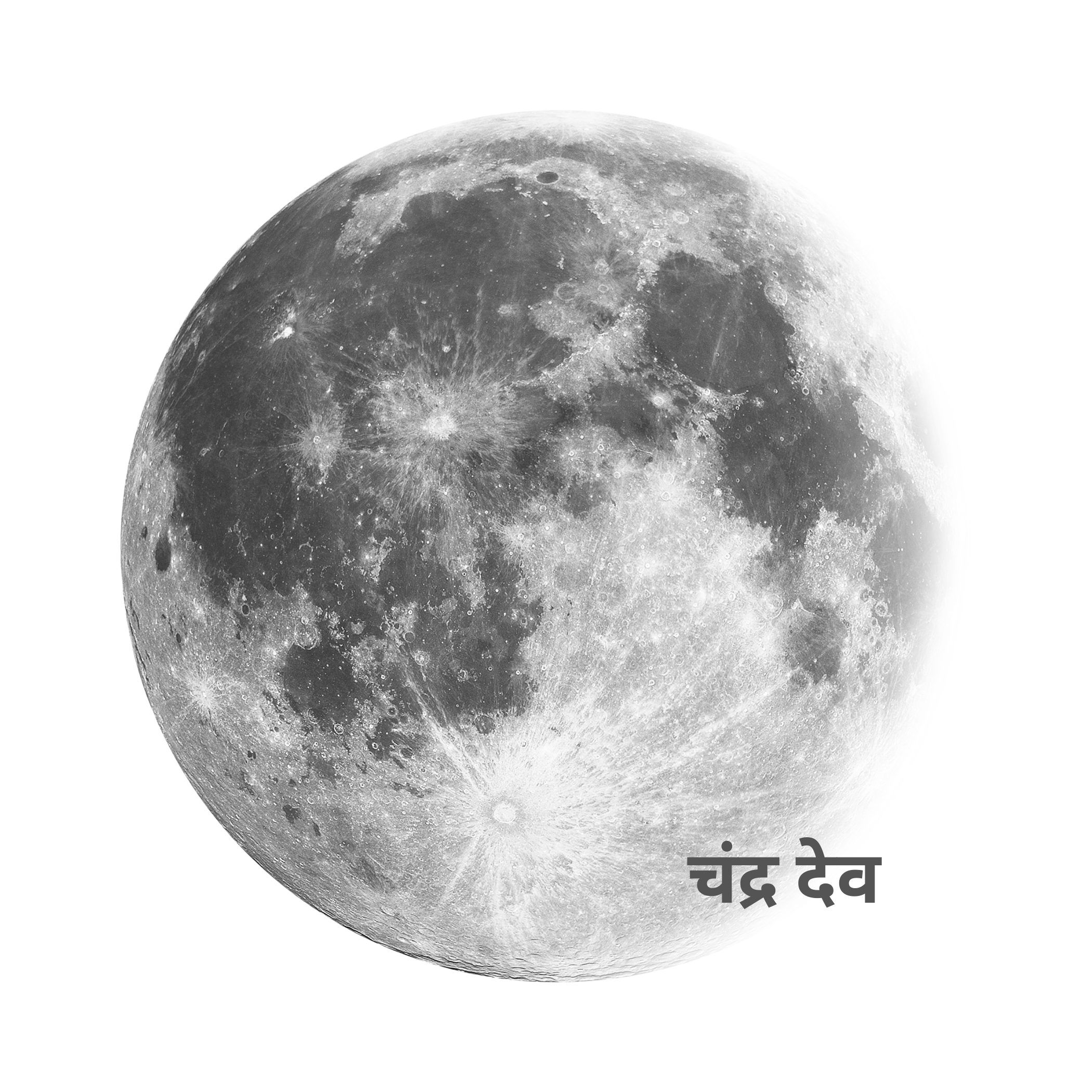
Moon - Chandra Dev (Mind)

  • Signification: Governs the mind, emotions, memory, and food.
  • Career: Hospitality, food, public dealing, nursing, dairy, and the masses.
  • Ayurveda: Moon governs Fluids: calmness, and your mental well-being.
Explore the Moon in depth
Mars Mangal Graha Symbol Planets in Vedic Astrology

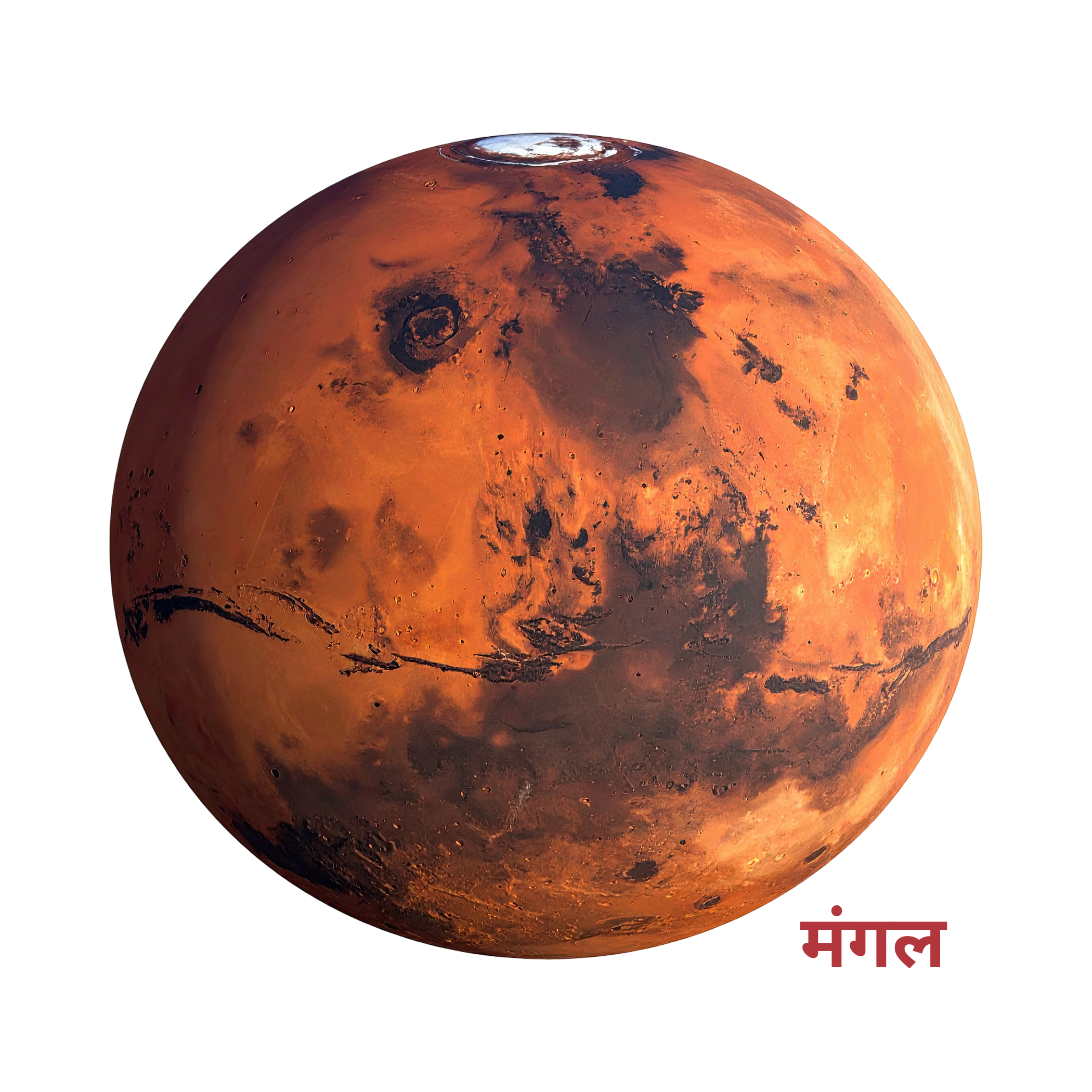
Mars - Mangal Dev (Courage)

  • Signification: Governs courage, energy, drive, anger, and decisive action.
  • Career: Mechanical or Civil engineering, defence, surgery, sports, police, and real estate.
  • Ayurveda: Mars manages Pitta: Serenity, blood, inflammation, and building muscles.
Explore Mars in depth
Mercury Budha Graha Symbol Planets in Vedic Astrology

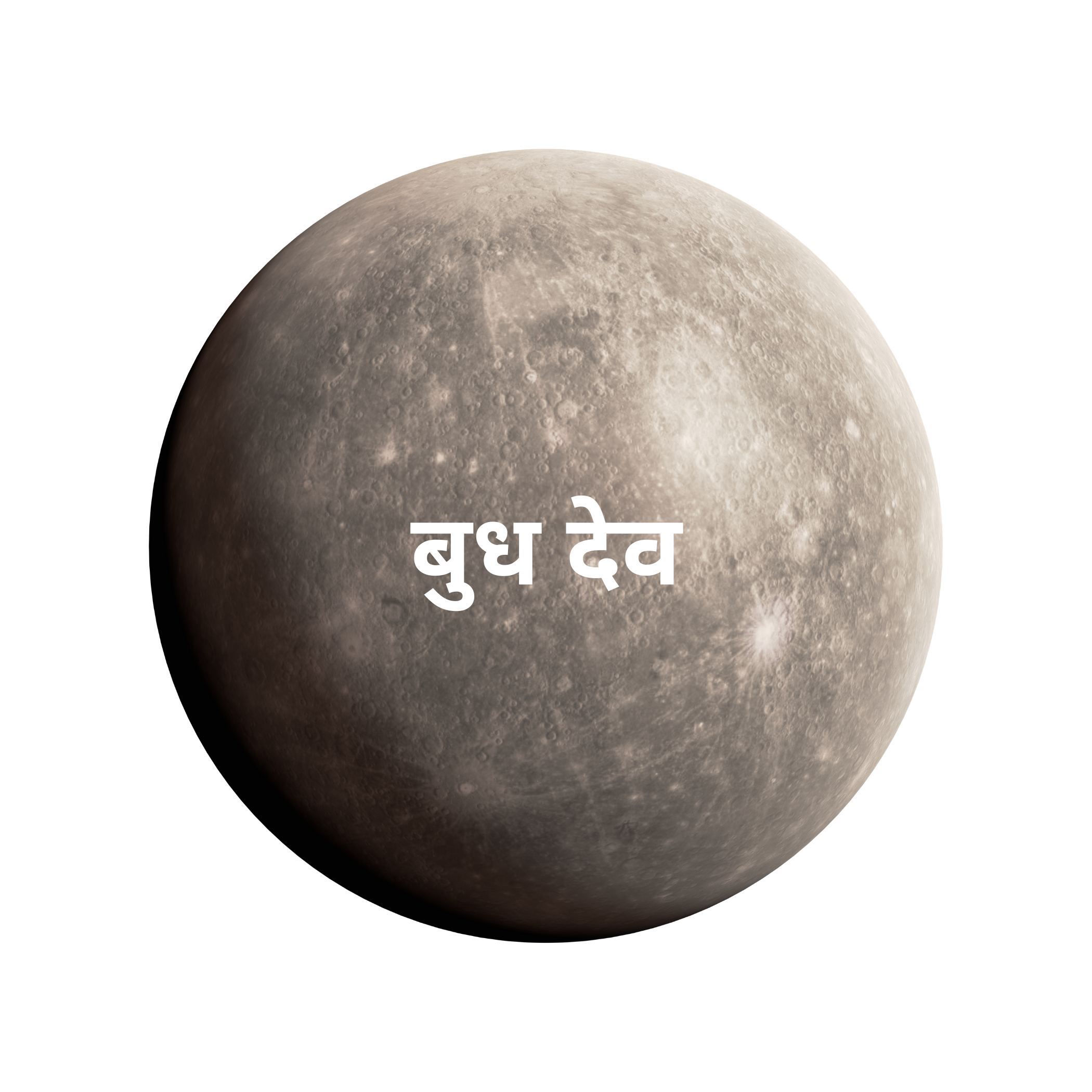
Mercury - Budha Dev (Intellect)

  • Signification: Governs intellect, speech, logic, wit, and sharp analysis.
  • Career: communication, marketing, business, writing, and professor/teaching.
  • Ayurveda: Mercury controls Nervous System
Explore Mercury in depth
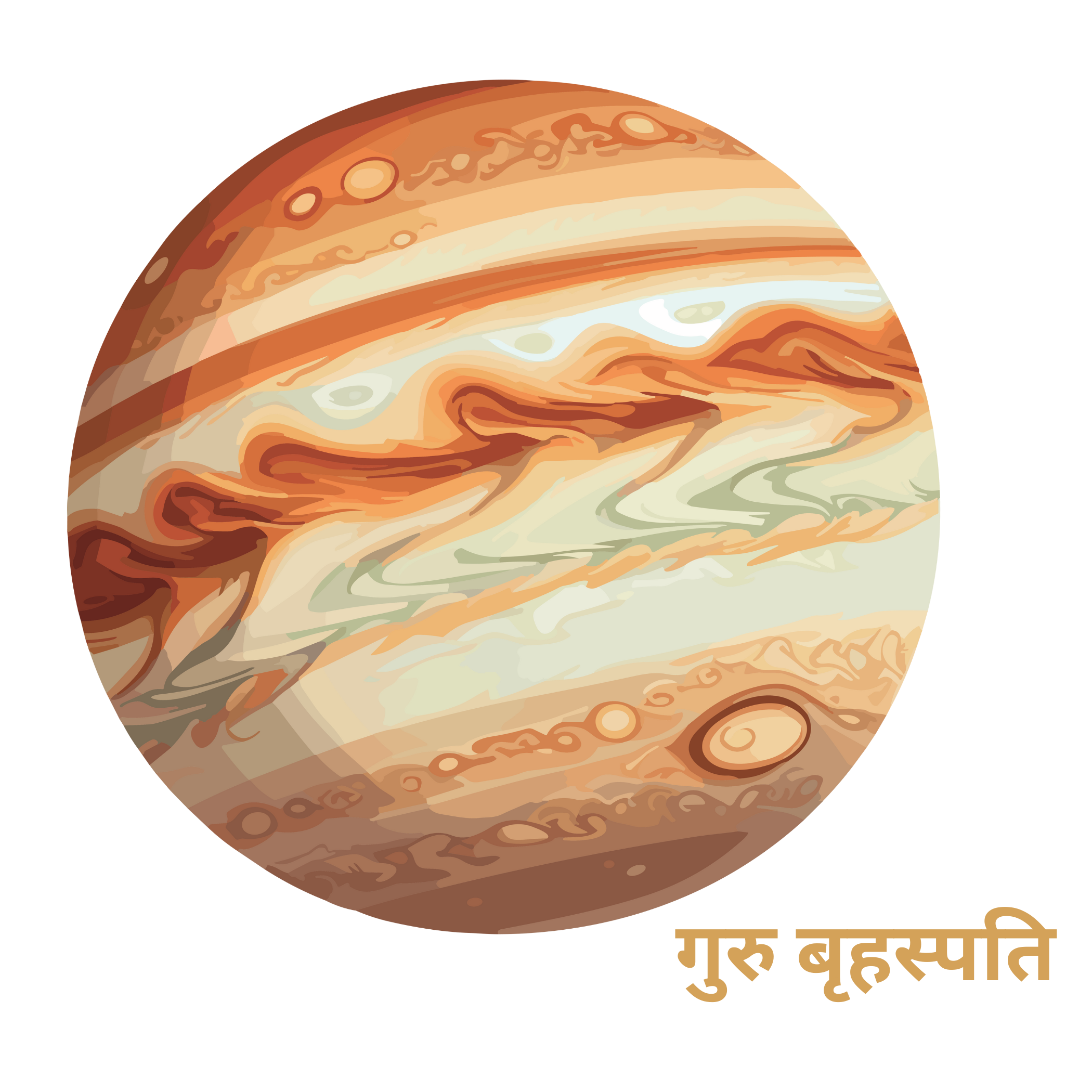
Jupiter Guru Symbol Planets in Vedic Astrology

Jupiter - Guru Brihaspati (Wisdom)

  • Signification: Governs wisdom, faith, expansion, ethics, and higher knowledge.
  • Career: Counselling, Judge, Yoga, Occult, and spiritual guidance.
  • Ayurveda: Jupiter governs Kapha: growth, the liver, and nourishment.
Explore Jupiter in depth
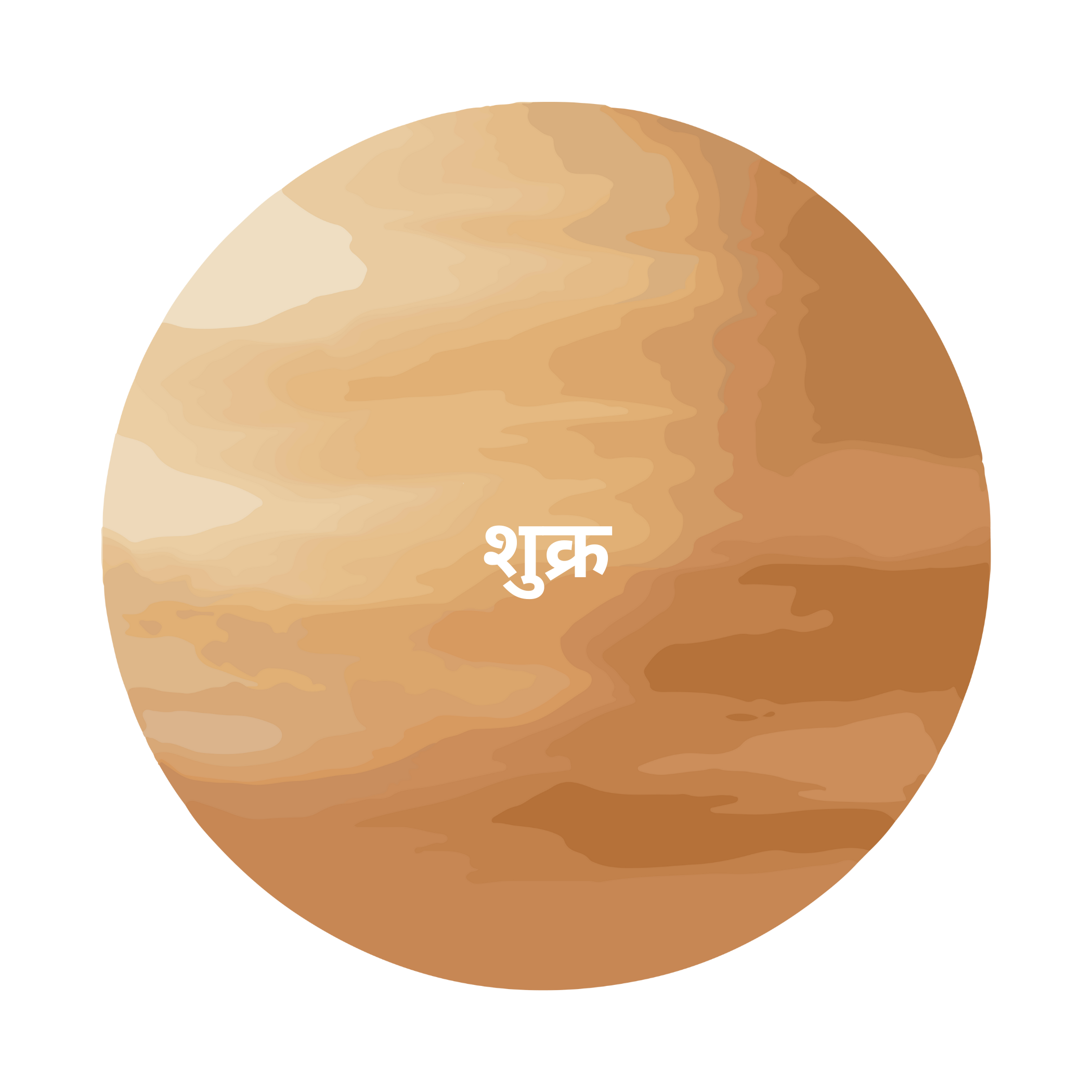
Venus Shukra Symbol Planets in Vedic Astrology

Venus - Shukracharya (Love)

  • Signification: Governs love, luxury, beauty, comfort, art, and relationships.
  • Career: Arts, design, luxury, fashion, entertainment, and diplomacy.
  • Ayurveda: Venus governs Reproductive Health: branches of Ayurveda itself.
Explore Venus in depth
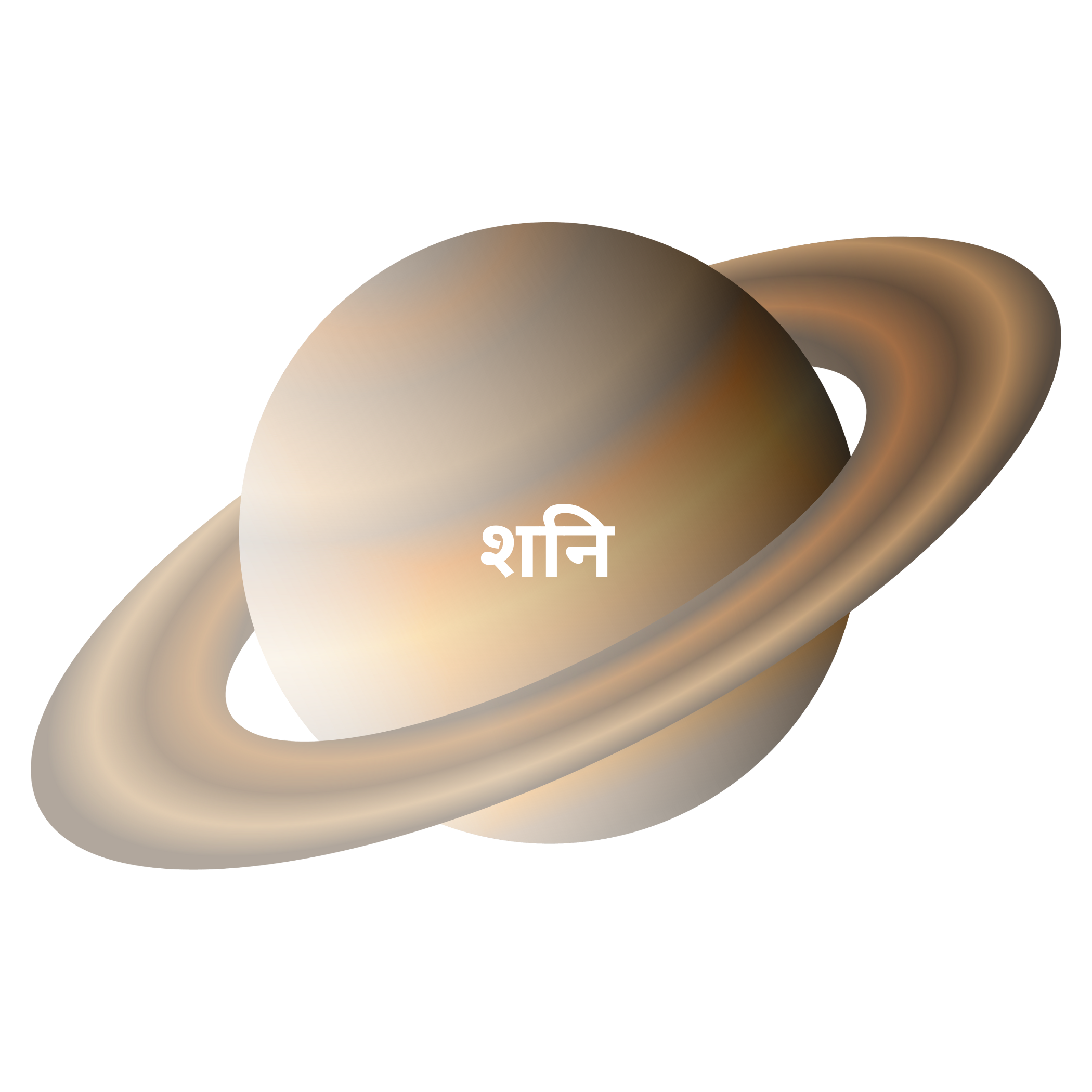
Saturn Shani Graha Symbol Planets in Vedic Astrology

Saturn - Shani Dev (Karma)

  • Signification: Governs discipline, time, karma, patience, perseverance, and hard limits.
  • Career: Finance, Accounts, Agriculture, Industry, law, judge, labor, steel, mining, oil, and long-term mastery.
  • Ayurveda: Saturn is the Vata: Bones, nerves, and ageing.
Explore Saturn in depth
Rahu Maharaj Symbol Planets in Vedic Astrology

Rahu Maharaj (Desire)

  • Signification: Governs desire, illusion, ambition, foreign lands, strategy, and the unconventional.
  • Career: Electrical or Electronics Engineering, AI, aviation, research, speculation, and disruptive fields.
  • Ayurveda: Rahu Maharaj is Obsession: Induce impulsiveness and addiction.
Explore Rahu Maharaj in depth
Ketu Maharaj Symbol planets in Vedic Astrology

Ketu Maharaj (Liberation)

  • Signification: Gives liberation, spirituality, intuition, moksha, and past-life karma.
  • Career: Research, Microbiology, Yoga, healing, investigation or intelligence, mysticism, and niche expertise.
  • Ayurveda: Ketu Maharaj is Indifference: Unaffected by major life issues, spiritual, mental calm.

Explore Ketu Maharaj in depth

How planets in Jyotish shape career and life direction

Career Astrology Symbol Pancha Siddhi

Every planet carries a distinct professional alignment. Reading planetary strength accurately reveals your natural skill and instinct as a precise karmic map. This decides your proven career direction.

As both Vedic Jyotish, and an engineer, I have witnessed this pattern play out consistently across mine and hundreds of other charts. A strong Sun pushes a person toward authority, governance, and leadership. Whereas, Mercury, when powerful, produces sharp communicators, skilled traders, writers, teachers, and analysts.

Furthermore, a fierce and well-placed Mars builds engineers, surgeons, soldiers, and athletes. Saturn, patient and unhurried, rewards those who choose industry, long-haul mastery, and structured professional fields. I have watched Saturn-strong individuals quietly outlast every short-term stint competitor around them.

But these arrangements and combinations are way more intricate than it seems. Additionally, the planets reveal not only what you are built for, they reveal when Dashas, the planetary time-cycles of Jyotish, show precisely when each career window opens and when it closes. 

This is exactly where Pancha Siddhi goes deeper than any generic chart reading. We do not simply identify your strengths, we show you when to act on them.

Key Insights - Planets in Vedic Astrology

  1. A Graha does not create your destiny – it reveals the karma you already carry into this life. It is the prarabdha you have to live in this life.
  2. The same Saturn that delays and breaks the unprepared and lazy, will provide most enduring fortune and abundance to the disciplined hard-worker.
  3. Rahu Maharaj and Ketu Maharaj carry no physical mass, yet they move human destinies more dramatically than any visible planet in the sky.
  4. Your natural career is not accidental, it is written precisely in the strongest and most dignified Grahas of your kundli or horoscope.
  5. Planets answer not just what through significations, they answer when through Dashas, and that timing changes everything in astrology.

Learn Jyotish with Pancha Siddhi

Most websites presents Jyotish as daily horoscopes, kundli-matching, and computer-based readings. Pancha Siddhi takes a different path entirely. At Pancha Siddhi, we teach Jyotish as a living science, precise, logical, and a life management tool.

Furthermore, we are the best Jyotish online resource for one reason: we read horoscope through dashas, career, and holistic wellness. We also integrate Jyotish with Ayurveda for holistic healing. Additionally, we do in-depth analysis of D9, D10, D7, D12, D5 and D24 divisional charts for greater karmic understanding.

Therefore, if you seek the best way to learn Jyotish, begin with the nine planet pages above. Study each Graha at your own pace. Moreover, when you want personal clarity, our guidance session is ready.

Planets in Vedic Astrology - FAQ

The 9 planets in Vedic astrology are called the Navagraha, nine cosmic forces that govern every dimension of human life. They are the Sun (Surya), Moon (Chandra), Mars (Mangal), Mercury (Budha), Jupiter (Guru), Venus (Shukra), and Saturn (Shani).

Additionally, two shadow points complete the nine, Rahu and Ketu, the lunar nodes. Together, these nine Grahas govern particular signs and influence the houses in your Kundli. Each one rules specific life aspects, soul, mind, courage, intellect, wisdom, love, discipline, desire, and liberation.

These aspects and their randomness as per cosmic arrangement have been observed by Maharishis over extremely long period of time, Yugas.

Therefore, mastering the Navagraha is the true foundation of Jyotish.

Rahu and Ketu are not physical planets, they carry no mass. Astronomically, they are the two points where the Moon’s orbital path crosses the Earth’s path around the Sun. These are called the lunar nodes.

However, Vedic astrology treats them as full Grahas with immense karmic power.

Furthermore, Rahu governs worldly obsession, foreign influence, and material desire. Ketu governs detachment, spiritual liberation, and past-life wisdom.

Consequently, though invisible to the naked eye, these two shadow Grahas often shape a person’s destiny more dramatically than any visible planet. In Jyotish, their influence is never ignored, it is deeply studied and deeply respected.

A planet is an astronomical object that you can see. Whereas, a Graha in Vedic astrology is a karmic force or a condition.

The Sanskrit root Graha means “that which influences.” Therefore, while Western astrology tracks planetary positions, Jyotish considers Grahas as conscious cosmic agents shaping your destiny.

In Jyotish, the actual planets in our solar system are the physical aspects of Grahas.

Furthermore, Rahu and Ketu are Grahas with zero physical mass. They are the Lunar Nodes.

Across the Yugas, Maharishis of Jyotish brilliantly observed the movement of these 9 planets in Vedic astrology across Nakshatras, and other celestial objects. Additionally, they studied the influence on human behavior and their response, and even the climate of the Earth.

This is how, across an unbroken continuum of cosmic observation, the eternal knowledge of Siddhant (Astronomy) and Phalit Jyotish (Vedic Astrology) came into existence and became world’s most precise Vedic science.

There is no single most powerful planet in Vedic astrology, strength always depends on placement, conjunction, dignity, degree, signs, Nakshatra Pada, the individual chart, and the current karma.

However, the Sun and Jupiter are widely regarded as the most inherently influential Grahas. Sun governs the soul and authority; Jupiter governs wisdom and fortune.

Meanwhile, Saturn delivers the longest and deepest karmic impact through its extended dashas.

Career in Vedic astrology is not governed by a single Graha, it is a combined and complex reading. Shani Dev (Saturn) rules discipline and long-term professional endurance.

Sun gives authority and leadership based on its placement and combinations. Mercury drives logic, and gives communication ability. Furthermore, the tenth-house lord and its planetary relationships shape professional destiny most directly.

Therefore, accurate career predictions in Jyotish always examine the full pattern, the tenth house, its lord, other influences, and active dashas together.

The effect of planets on daily life as per Jyotish occurs through three primary mechanisms. Namely, dashas (planetary time periods), transits (Gochara), and aspects (Drishti). Each active Graha shifts mood, decision-making, health patterns, and opportunities.

For example, a Moon transit adjusts emotional responses; a Saturn transit introduces deliberate, slower energy.

Furthermore, understanding your current dasha reveals which planetary theme governs your life chapter right now. Therefore, Jyotish is not fatalistic prediction, it is a precise timing system that helps you move consciously with the cosmos to attain lasting success and inner happiness in life.